AICROS

AICROS EXPERIENCE WITH COVID

There will be always patients requiring innovative treatment solutions, which at times may not be able to wait for COVID-19 to subside. For those cases we would like to see clinical research continuing as best as possible at a normal pace, what is not always easy, of course.

CROs are key in this process and we think our perspective will help to have a better picture of how COVID-19 is affecting and will affect Clinical studies.

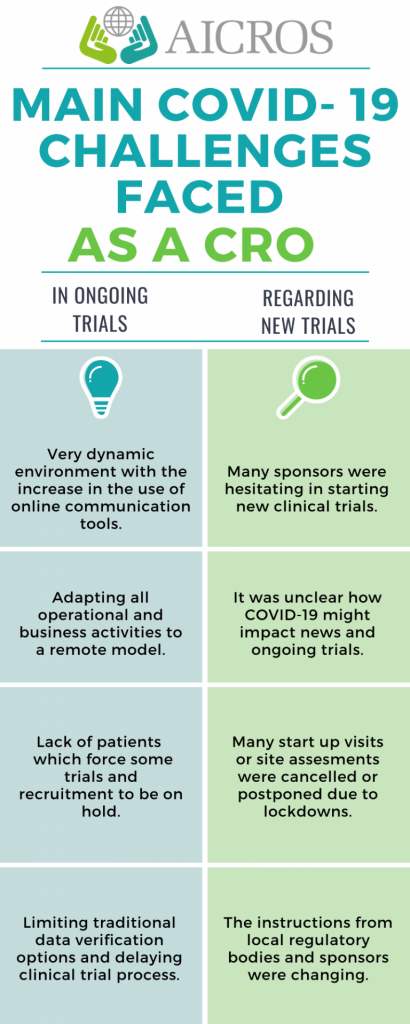
The main challenges we have faced as CROs

In Ongoing trials:

We have lived in a very dynamic environment. There has been an increase in the use of online communication tools and an uptick in virtual team meeting to make sure that everyone is on the same page.

We were used to remote practices on operational tasks, but we have had to adapt all our business activities to a remote model.

Patient participation in the studies. The lack of patients was an issue for some trials and recruitment was directly on hold for many others.

It has been also a challenge for patients and our people to comply with COVID-19 regulations that, moreover, were constantly changing.

Responsiveness and availability of site staff has been rather limited for a lot of our trial sites, limiting traditional data verification options and delaying clinical trial progress. Most of this could be counteracted by increasing the amount of remote and centralized monitoring.

In those cases where onsite was preferable, like close out visits, travel to sites was subject to restrictions and had to be rescheduled.

Regarding new trials:

Fundraising for new research projects has been limited worldwide.

Many sponsors were hesitant to start new clinical trials, mainly because it was unclear how COVID-19 might impact ongoing trials.

Travel to sites has been limited for study start-up, site assessment and site initiation visits. Many of them have been cancelled or postponed due to lockdowns.

The information was changing so instruction from local regulatory bodies and sponsors has been unclear.

covid experience within AICROS

Some of the measures we have introduced in our procedures for running clinical trials in the context of the pandemic

Business Contingency Plans for clinical trials, that covered all facets of impacts that COVID-19 could have on clinical trials from availability of RA/EC for approval processes, to IMP/IMD shipments, availability of sites for on-site visits, how to handle patients that are on medication but cannot see the study site, to the need to adjust the statistical analysis or submit a protocol amendment to deal with the changes. It is very important that all this information is available for both our Project Management team and the Sponsor’s team.

Working with sites and clinics to implement virtual monitoring visits using electronic medical records and CRFs

CRA safety precautions, COVID-19 test before visiting a site.

Much more remote communication and increasing the number of remote visits.

Changes we have lived that are here to stay:

A lot of traditional monitoring techniques have not been conducted during the crisis, and remote and centralized monitoring techniques have played a much bigger role. On-site monitoring will be combined with remote monitoring as well as conducting virtual monitoring visits to minimize the cost of travel.

We remain hopeful that this change will persist, and that more and more authorities approve these procedures and more sponsors decide to move in this direction. Studies have shown that this results in improved data quality, and it can end up saving time and money that is otherwise spent on travel to the sites and performing Source Data Verification (SDV).

Additionally, we have seen home-sampling of laboratory samples employed – which can greatly improve the satisfaction of the patient. However, it may only be useful in niche trials and will likely remain irrelevant for the majority of clinical trials. Lastly, we have lived a more frequent use of e-signatures, opened up conversations with Regulatory bodies and e-Consent.

Digitalization of most of our activities was being completed before this situation started, and now it has been accelerated and we are pretty sure that, in a very near future, complete e-trials will be developed and we will find that results will be equally valid and patients will benefit from the results of that research.

AICROS experience with covid

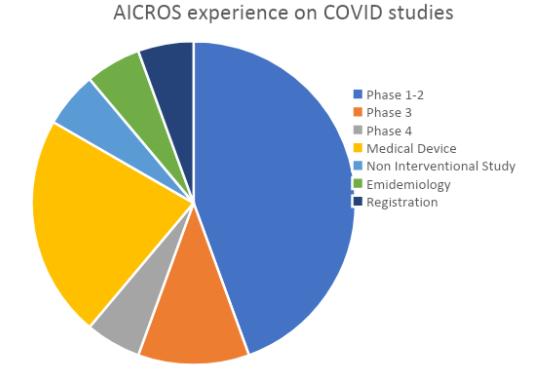
Our experience with COVID studies

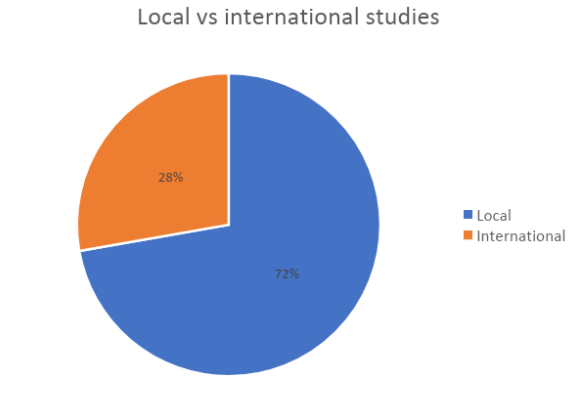
At the moment there are almost 4.000 studies related to COVID-19 on clinicaltrial.gov database and as CROs we have had the opportunity to be part of some of them.

If you want to know more about global clinical investigation on Coronavirus and its evolution , you can read our in depth analysis that is updated every month in our Coronavirus research post.

local and international covid studies
type of covid studies-AICROS

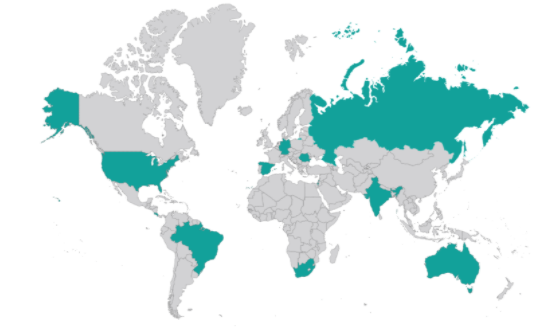
We highlight also that they have been conducted in a very wide range of geographic areas.

aicros countries

Although we have made use of the shortened regulatory paths that have been put in place by the regulatory authorities of many countries, we have so far seen limited impact on the studies we tried to conduct, and other trials going into the submission process have not been impacted. You can see more about this in this post.

How do we see the future of clinical trials?

We have all heard that crisis can also bring opportunities. In this case, COVID has helped us to glimpse possible trends in the future of outsourcing clinical trials.

Global clinical trials

COVID-19 has shed a light on the need to centralize clinical trials throughout the world and share this information to work together in order to advance together.

Remote monitoring

The coronavirus crisis has just speed up the trend and on-site monitoring will be reduced in the future

Patients’ visits remotely

Much more reliability on technologies that make people open to run not only monitoring but also Patients’ visits remotely.

Digital solutions on Monitoring

The use of electronic solutions not only on traditional activities such as Source Data Verification (SDV), but also Trial Master File (TMF), Site management, Investigator Site File (ISF) and even the consent procedure and Patient Reported Outcome (PRO) have shifted into focus for potential available electronic solutions.

Some of them can be seen as rather wide-spread but there is a lot of room for growth and development in the clinical research world.

We strongly believe that this is the right path to take, and that COVID-19 has accelerated change in this direction by forcing Sponsors, Sites and CROs alike to adapt.

infographic aicros covid

WHY CHOOSE ISRAEL TO CONDUCT YOUR CLINICAL TRIAL

In recent years, Israel has morphed into an emerging and preferred destination for clinical trials, offering high-standard research and medical expertise, a diversified population and short, simple regulatory approval pathways, and relatively low administrative costs.

Bigrange of geographical regions and climates

The country’s 22K kmcovers a broad range of geographical regions and climates, with three densely populated central metropolitan areas.

Its 9 million-large, demographically diverse population, includes a spectrum of ethnicities and sociocultures, immigration histories and living settings.

The accumulated knowledge and experience in familial genetic disorders unique to the region and/or ethnic groups serves as fertile ground for a variety of personalized medicine-oriented programs.

Recruitment potential is further enhanced by high patient awareness of the importance of medical research and motivation to contribute.

Healthcare services are provided through a compulsory medical insurance plan, implemented by four, non-for-profit Sick Funds, and 11 publically owned hospitals, seven of which are Joint Commission-accredited. Its public clinics, and hospital and infant-care facilities are equipped with state-of-the-art, advanced technologies and professional personnel trained at internationally renown local or foreign medical institutions.

The comprehensive, high-quality and efficient medical databases managed by each institution, contain critical data of highest value for epidemiological studies and retrospective chart analyses, and ensure accurate and tight monitoring during prospective trials.

The country’s clinical trials legislation is harmonized with EU standards

All ethics committees demand well-controlled trials, on par with all of the most updated international policies (ICH, GCP), which undoubtedly stands at the root of its long-standing history of satisfactory FDA audits.

Clinical trial players, such as start-up companies and clinical research organizations, nurture close ties with the Israeli Ministry of Health, and are well versed in the local and international regulations and policies.

CRO in Israel

Supported by physicians and researchers

The clinical trial infrastructure is supported by physicians and researchers with extensive experience with multi-center, multi-national studies, alongside highly skilled and designated study coordinators, regulatory specialists and sub-investigators.

Overall, the highly competitive local arena, drives clinical trial professionals to commit to the highest standards and to regularly participate in continued education enrichment courses.

Patient recruitment is generally smooth and well organized, and is often supported by highly active rare disease societies and non-for-profit organizations, which keep abreast with ongoing research and trials.

Moreover, the relatively small geographical area, generally requiring no more than a two-hour drive to collaborating facilities, simplifies monitoring and sample shipping procedures, while minimizing administrative costs.

Regulatory approval paths are relatively short, with the option of parallel submission to the institutional Helsinki Committee (IRB) and Regulatory Authority, the Israeli MOH.

In addition, contract-related negotiations can be initiated in parallel to Helsinki submission, further shortening time to trial initiation.

As a country with ongoing international collaborations in all disciplines, most professionals are well versed in the English language and all trial-related documents can be prepared and submitted in English, with only patient-facing documents requiring translation to the three leading spoken languages (Hebrew, Russian and Arabic).

AICROS, the alliance of International CROs, is a network of local & well established CROs businesses providing full range clinical research services on a global scale. If you are planning your Clinical Trial in Israel or need local help, AICROS team is here to help. Call +972 52 4532325  or email us on info@aicros.com

AICROS AND EDC SYSTEMS

We are living in a transition period in relation to the data collection for clinical trials. The trend is that paper-based data collection is replaced more and more by Electronic Data Capture (EDC).

In this article we will point out the advantages of EDC and what to take into account when selecting an EDC system.

EDC systems growth

According to Thomas Kirssner, an expert on data management, using an electronic data capture system is similar to online banking.

Not that long ago, it was normal to spend the whole morning queueing at your bank office, and without smartphones to keep us entertained!

Nowadays, most bank transactions can be completed directly from your smartphone in only minutes. It was scary at the beginning and most people were reluctant to do it, but more and more we are now trusting online banking.

The same can be said for EDC systems, we are getting used to them but there is still a long way to go.

Proof of this is that there is still around 25% of paper based CRFs and many people have reservations with regard to the electronic model.

eCRF versus Paper CRF

When comparing paper based CRF with eCRF, the differences are huge:

Paper CRFs have a lower learning curve, however, they require more investment in the data treatment and monitoring.

eCRFs have a higher learning curve and also a higher investment when starting a clinical study (mainly licenses and training), however in the mid and long term, they save time and money as a result of the improved of data quality.

Another advantage is that the slope of the curve is decreasing as EDC systems are becoming more competitive and investigators are becoming more used to them, so the learning time is also reduced.

EDC systems clinical trials

Types of EDC systems

There are some basic features that all EDC systems have: data storage, open patient records and audit trails.

EDC systems also add value by:

  • Offering the ability to remotely review and clean data.
  • Enabling the identification of risk such as serious adverse events to the project manager or to any other party involved.
  • Having a system that can interconnect all the different electronic data sources: eCRF, electronic randomization tools, drug supply management, central labs and ePRO (usually data is stored separately and is unified manually with the risk that data errors can be caused by manual data handling).

How to choose an EDC system

Your EDC system should serve you. If you need to take care of it, you should probably change it.

As there is a wide range of prices for EDC systems, the first thing you should do is evaluate what you need at a trial level and the allocated budget.

Next, list what do you expect and see what systems can provide your needs. After that, you just select a reliable service provider as a partner. And remember, the goal is to conduct the study the best way possible, not to have the best EDC system.

THE MEDICAL DEVICE REGULATION IN EU, WHAT’S CHANGED COMPARED TO THE MEDICAL DEVICE DIRECTIVE?

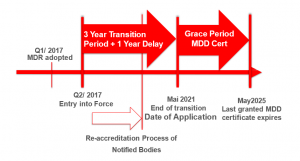
The new Medical Devices Regulation 2017/745 (MDR) was supposed to take full effect in Europe by mid-2020, being a fundamental revision of existing Medical Device Directive 93/42 EEC (MDD) and Active Implantable Medical Devices Directive 90/385/EEC (AIMD); following the SARS-CoV-2 outbreak in Europe, on April 23rd 2020, the EU legislator published an amendment to the EU MDR (Amending Regulation), postponing the application of most of its provisions by one year, until May 26th, 2021.

The aim of the MDR is to establish a robust, transparent, predictable and sustainable regulatory framework for Medical Devices (MDs) including combinations of MDs with In Vitro Diagnostic (IVDs) Medical Devices and/or Medicinal Products across EU member states.

All new MDs deemed to be placed in the EU member states market will have to conform to the requirements of the MDR by the end of May 2021 on.

There are 15 key major changes in the MDR versus the previous regulatory framework defined by the MDD:

  • The MDR, as a regulation, carries mandatory jurisdiction that is directly applicable and enforceable in all EU Member States, while the directives are just legislative frames that set out the rules which must then be transposed into national legislation in order to become effective.
  • The new regulation is four times outstretched in number of pages and number of articles and has five more annexes than its predecessor, the MDD.
  • There is a big emphasis on patient’s health and safety outlined in the MDR, the word "safety" appears 290 times in the MDR, while the MDD uses it only 40 times, moreover the MDR introduces provisions for transparency and MD traceability in order to improve health and safety.
  • MDR requires MDs manufacturers to rationalize their portfolios and perform a global impact assessment in order to implement the necessary compliance changes.
  • Outlines new conditions that will need to be addressed for most CE marked MDs under the MDD. Devices which were lawfully placed on the EU market pursuant to MDD or AIMD prior to MDR date of application may continue to be made available until end of May 2025 – if the manufacturer fulfils the specific requirements drawn in the MDR; this means that MD Companies subject to transition will need to review their processes including the quality assurance, risk management and post-market product outlook. This requires a conscientious planning, implementation and review in strict compliance with the MDR.
  • The MDR sets out the regulatory obligations of economic operators as it require most MD companies to update their technical documentation, clinical data and labeling ( for instance the Unique Device Identification (UDI) has to be implemented in order to to enable global device traceability throughout the entire MD manufacturer supply chain , UDI should be shown on all labels).
  • The scope of medical device is broadened, covering both devices for specific medical purposes alongside devices without medical purpose such as non-medical and cosmetic devices (which previously were not regulated). For instance products for cleaning, disinfection or sterilization of devices as well as devices for the purpose of control or support or conception, hair removal lasers, liposuction equipment and contact lenses are regulated throughout the MDR.
  • The MDR provides new classification rules for software (classified into classes I, IIa, IIb or III depending on the intended use of the software and a risk profile) while the software itself is considered an active medical device; also regarding software the MDR introduces the concept of interoperability to devices including software, as the ability to exchange information and use the information that has been exchanged for correct execution of specified function without changing the content of the data, and/or communicate with each other, and/or work together as intended.
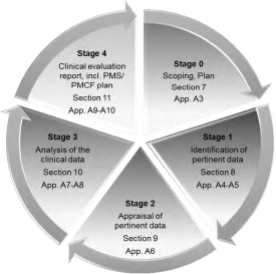
  • Manufacturers will need to generate and provide more in-depth clinical data to prove safety and performance claims including tighter equivalence standards. MDR provides a new understanding of clinical evaluation as being a systematic and planned process to continuously generate, collect, analyze and assess the clinical data to verify the safety and performance of a device when used as intended by the manufacturer, moreover the clinical evaluation report is required for all classes of devices and throughout the product life cycle process.
Medical device regulation EU
  • The MDR details with greater emphasis the Quality Management System responsibilities: the Legal Manufacturer must provide a person responsible for regulatory compliance (which is a new provision explicitly defined), qualification requirements (specific education, training and experience), Provision for ability to make decision (“shall suffer no disadvantage in relation to the proper fulfilment of his duties …”) and covers responsibilities (conformity of device verified before product release, technical documentation are kept up-to-date, PMS obligations are complied with, etc)
  • The MDR sets explicit provisions on manufacturers’ responsibilities for the follow-up of the quality, performance and safety of devices placed on the market. Manufacturers of all devices classes will need to report all incidents, injuries and deaths into an EU portal (Centralized Post Market Surveillance System -PMS) that will centralize data so the and user will have access to safety-related information. The timelines for serious incidents reports is shortened to 15 days from previous 30 days, while field safety corrective actions should be submitted through an electronic system.
  • The MDR contains a new centralized database (EUDAMED) for Device registration, Conformity Assessment, Vigilance (incidents and recalls), Universal Device Identifier (UDI), Surveillance Reports, Clinical Investigations, Notified Bodies. MDR/IVDR UDI and device data sets provide for their registration in EUDAMED.
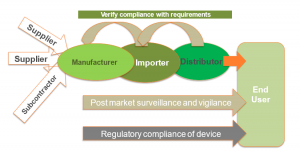
  • MDR provides a strict set of general obligations to verify compliance with requirements of Economic Operators which includes the Legal Manufacturer, the EC Authorized Representative, the Importer, the Distributor and the Person who puts together [refer to Article 22 [1] or sterilizes [refer to Article 22[3] system or procedure packs.
Medical device EU
  • MDR involves also key changes as regards the NBs: as current NB designations will expire with the date of application of the MDR, all NB applicants for MDR accreditation must go through a re-designation process (observing organizational, quality management, resource and processes matters); as a result of re-designation, only few selected NBs will have a scope covering Class III high-risk devices.
  • Through the MDR the NB oversight must be observed for reclassification of many medical devices to a higher risk class (for instance a new classification for reusable surgical devices is observed).
Medical devices European Union

The MDs manufacturers should be advised on the onward movement towards the MDR. The MD Manufacturers of already CE certified devices under either MDD or AIMD are strongly recommended to consult their respective NBs in order to evaluate possible compliance issues, to develop a plan for a timely transition towards the MDR and also to perform an assessment of how their current MD portfolio may be impacted by the MDR. This is extremely important as not all MD design changes are anticipated or expected while this fact could likely lead to re-certification under the MDR. Let’s give a practical example: a MD manufacturer receives a new report on adverse event which will trigger a label update; as a consequence the Competent Authority (CA) may request corrective action related to the label change, this CA request will suddenly push the manufacturer forward into the MDR transition.

If you are planning your EU MDR transition or need help on MDR requirements AICROS team is here to help. Call us on: +4917621065564 or email us at: info@aicros.com

Bibliography:

  1. Regulation (EU) 2017/745 of the European Parliament and of the Council , April 2017
  2. Regulation (EU) 2020/561 of the European Parliament and of the Council of 23 April 2020 amending Regulation (EU) 2017/745 on medical devices, as regards the dates of application of certain of its provisions
  3. Factsheet for Manufacturers of in vitro Diagnostic Medical Devices, European Union, Nov 2018
  4. WHO Global Model Regulatory Framework for Medical Devices, WHO Technical Report Series, No. 1003, 2017
  5. Guide for Clinical Evaluation Under EU-MDR, The FDA group, Mar 2018
  6. The New European MDR Harmonization Effort with International Regulatory Requirements for Medical Devices, Stephan Buttron, Mar 2016

WHY CHOOSE ROMANIA AND BULGARIA TO CONDUCT YOUR CLINICAL TRIAL

Conducting Clinical Studies in Romania and Bulgaria

Why choose Romania and Bulgaria?

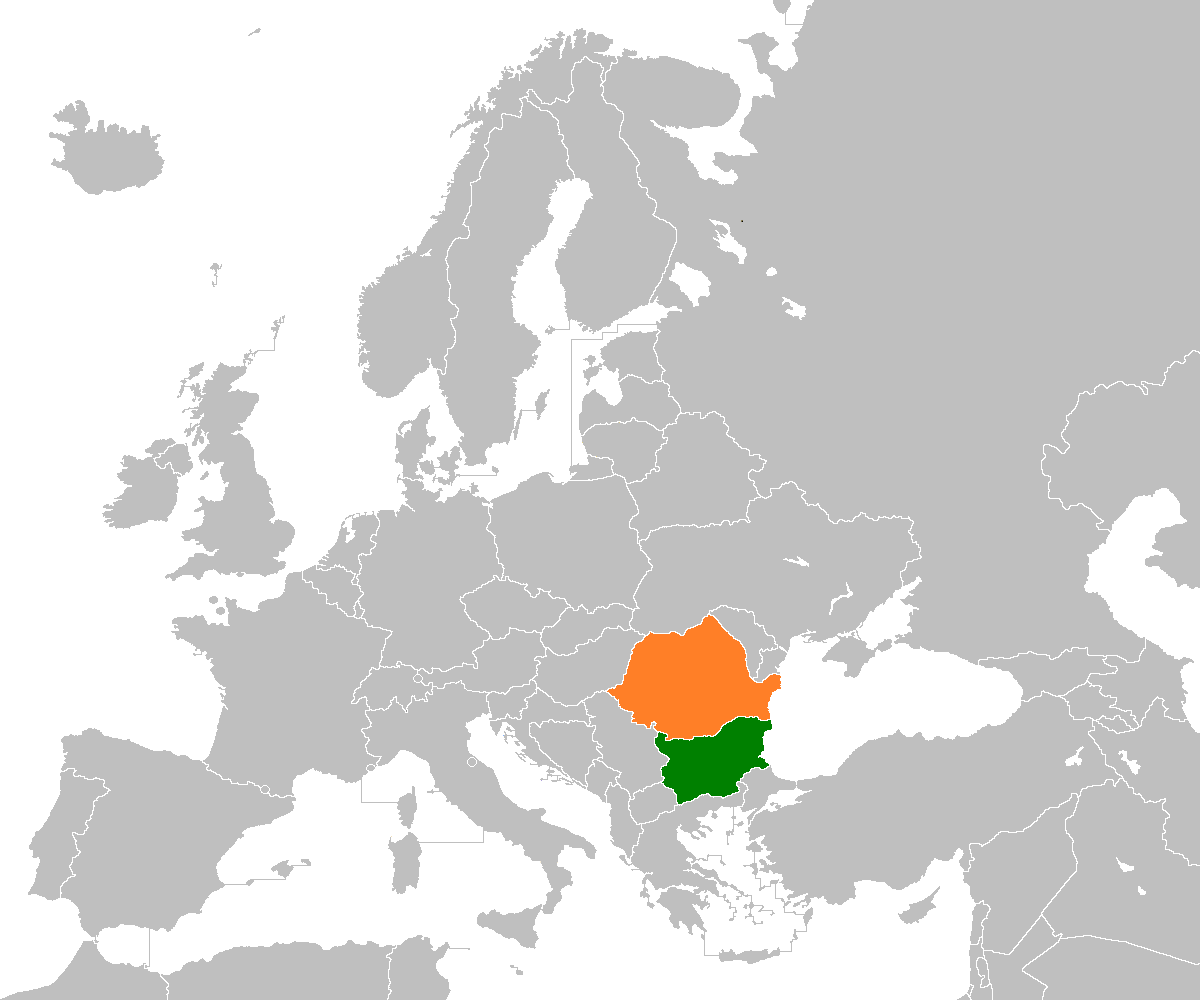
Romania and Bulgaria are home to highly competitive cost solutions per patient in clinical research, a unique epidemiological profile leading to a wide range of therapeutic indications, a wide availability of naïve patients, experienced researchers and highly educated health professionals  working under regulatory and protocol compliance with good-quality data proved by audits and regulatory inspections, highly concentrated and specialized healthcare service, smooth regulatory pathways following EU regulations and supportive infrastructure.


Population ( potential patient pool )


According to Eurostat1 together the who countries share a population of 27.5 million people, the largest country being Romania with almost 20 million inhabitants followed by Bulgaria with 7.5 million residents.


Regional economy &  health care system opportunities


Both countries belong to EU and NATO, have stable and fast developing economies,enjoying some of the highest GDP growth rates in the EU:


why romania to conduct clinical studies

What makes both countries extremely cost attractive for clinical trials is that their labor cost which is just a fraction of Western European countries, having the lowest   GDP per capita rates in the EU.


Romania to conduct clinical studies

In terms of healthcare system both countries follow a similar path, their healthcare systems are critically under budgeted  while patients have to share an important burden of local healthcare expenditure directly out of their pockets, drifting to poor availability of curative means and a high percentage of treatment-naïvepatients:

  • Health Spending per capita is the lowest among EU countries:
Romania to conduct clinical studies
  • in terms of health coverage Romania and Bulgaria have a large coverage gap versus the Western European countries:
Romania to conduct clinical studies
  • Direct out-of-pocket payments represent a large stake of the health spending especially in Bulgaria:
Romania to conduct clinical studies

Therefore all Clinical Trial Programs in Romania and Bulgaria are offering ethic therapeutic means to local patients, meanwhile representing an alternative (sometimes the only) option for patients to have access to innovative, new-generation molecules and medical devices.

The epidemiologicalprofile of both countries share similar challenges and offers a direct input regarding the clinical trial opportunities within a wide range of therapeutic indications:

  • Smoking among Bulgarian adults it’s way above EU average :
Romania to conduct clinical studies
  • One out of three adolescents across Romanian and Bulgaria report having being drunk at least twice in their life:
Romania to conduct clinical studies
  • Regular heavy alcohol drinking is a big problem in both countries :
Romania to conduct clinical studies
  • Obesity among juvenile population has grown up significantly over a decade:
Romania to conduct clinical studies
  • Too many antibiotics are prescribed, particularly in Romania:
Romania to conduct clinical studies


Regulatory Environment


Regulatory and legislative reforms follow EU accession, both Romania and Bulgaria have adopted and fully implemented the EU Clinical Trials Directives. Trial start-uptimes and requirements are comparable with other EU countries: it takes in average 60 days since submission to obtain CA and CEC approvals, the regulatory environment being one of the principal reasons behind the important figures of completed and active studies in both countries in 2018 2.


Romania to conduct clinical studies


CECs work is slightly different in Romania and Bulgaria:


  • Romania: For IMP studies with multiple sites there is a centralized EC to be addressed, yet if a single site is involved only LEC approval could be obtained.  For MD studies only LECs could be involved.
  • Bulgaria: IMPs and MDs follow the same path, meaning a centralized EC is designated for study submission


 In both countries some (but not all) sites ask for LECs approval is much formal.


The start-up process depends on the duration of contract negotiation between sponsor and study sites and the process is slightly different in the two countries:


  • Bulgaria: CEC/CA asks for contracts drafts, but the management of some sites need to see the contract drafts first in order to release some documents for CA so , depending on site, contracts are not a burden but it is good to have them ready upfront at least 45 days prior to CEC/CA submission


  • Romania a single fully executed CTA is needed (out of all the sites subject to CEC submission) while the remaining CTAs should be submitted fully executed forms no later than 45 days post NEC submission, therefore contracts should be ready for site negotiations 30 days prior to NEC  submission in order to speed up the approval process


Quality:


There is an abundance of high quality investigational sites in Romania and Bulgaria because the number of teaching hospitals, university clinics and postgraduate medical schools is high. There is a well established very high standard of medical education, there are 17 medical university schools in Romania and 5 medical schools in Bulgaria, while the number of university clinics stands for 39 units in Romania and 15 in Bulgaria, with similar infrastructure and state of the art diagnostic capabilities meeting the western standards. More practitioners are employed by teaching hospitals and university clinics compared to Western Europe average. GCP guidelines are fully implemented, the GCP training of the investigators is compulsory required by the regulatory authorities in both countries, while GCP refresher is required every second year for all study team members. The overall good regulatory and protocol compliance with good-quality data (comparable to Western Europe and the US) is certified by -audits and inspections.


High recruitment rate:


There are several particularities of the healthcare system that constantly translates in high recruitment rates throughout the region:

  • Shortage of available therapy as the national therapy and reimbursement programs  are not able to meet the local needs 
  • The insufficient availability (sometimes the total lack) of preventive medicine
  • A wide availability of naive patients
  • A large heterogeneous patient population
  • Availability of multi-specialty medical institutions with highly educated medical personnel and specialized healthcare services
  • Patient willingness to participate in clinical trials sponsored by Western companies, patient retention if very good
  • Investigators are motivated to take part in clinical trials and perform well, as they largely acknowledge that co-operating with Western pharmaceutical companies in scientific research is a sign of academic distinction, merit, and prestige while the investigator fees comfortably rounds-up their earnings
  • Over 90% of site staff are speaking English, including study nurses


Logistics and communication:


Our synergic operations and local know-how covering Romania and Bulgaria facilitates your access to highly specialized & fully trained ICH-GCP investigators that have a vast experience in running clinical trials .The site staff (English-speaking investigators in a dense network of healthcare facilities) makes a great deal of efforts to ensure the studies are run according to the protocol and in line with local and international regulations. The guidance provided by CRO’s and sponsors is largely accepted and there is a refreshing willingness to learn and improve practice. 


AICROS, the alliance of International CROs, is a network of local & well established CROs businesses providing full range clinical research services on a global scale. If you are planning your Clinical Trial in Romania and Bulgaria or need local help AICROS team is here to help. Call +4917621065564  or email us on info@aicros.com


REFERENCES:

1. https://ec.europa.eu/CensusHub2/query.do?step=selectHyperCube&qhc=false

2 https://clinicaltrials.gov/ct2/search/map?map=EU, data source 30 September 2019

DISCLAIMER:

 This document reflects the opinion of AICROS on the date of publication and subject to the available information, and may be modified at any time. The information, analyses and opinions presented are drawn from multiple sources that were judged reliable and credible. However, AICROS does not guarantee the accuracy, completeness or representativeness of the data contained in this document. The information, analyses and opinions are provided for information only and should be used in conjunction with other information the reader might already possess. AICROS is not bound by an obligation of results but by an obligation of means and shall not be held responsible for any losses incurred by the reader arising from the use of the information, analyses and opinions contained in this document. This document, and likewise, the analyses and opinions which are expressed are the sole property of AICROS. The reader may consult or reproduce them for internal use only and subject to mentioning AICROS as the source; the data may not be altered or modified in any way. The information may not be used, extracted or reproduced for public or commercial purposes without prior permission from AICROS.

30 September 2019                                                                                                 Copyright © AICROS. All rights reserved.

AICROS Welcomes Asymchem Clinical as Newest Associate Member

The Association of International Contract Research Organizations (AICROS) is delighted to announce the acceptance of Asymchem Clinical as its newest associate partner. Asymchem Clinical, a leading full-service Contract Research Organization (CRO) with a rapidly expanding global presence, joins our consortium of established, regional CROs dedicated to providing top-tier clinical research services worldwide.

About AICROS

AICROS is a prestigious global consortium of small and mid-sized CROs, committed to delivering personalized, high-quality clinical trial management services across the pharmaceutical, biotech, and medical device sectors. By bringing together experts from CROs around the world, AICROS ensures that our members adhere to the highest international standards while offering tailored solutions that address the unique needs of specialized and emerging markets.

AICROS is uniquely positioned as a worldwide partner in clinical research, with each member committing to a joint quality standard, undergoing regular trainings and members exchanging continuously on experiences with local regulators and how to improve speed of trial execution. Our consortium is built on the principles of collaboration and resource-sharing, enabling smaller and mid-sized CROs to compete with larger global players. Through our collective expertise and international partnerships, AICROS helps members streamline clinical research processes, mitigate risks, and accelerate development timelines, all while maintaining the highest standards of quality and compliance.

Asymchem Clinical: A New Strategic Partner

Asymchem Clinical has earned a stellar reputation for its innovative and comprehensive clinical research solutions, which span early-phase trials to post-market surveillance. With a focus on biopharmaceutical companies, Asymchem Clinical excels in developing unique clinical development strategies, managing complex trials, and integrating cutting-edge technologies, all while navigating diverse regulatory environments across the globe.

As an AICROS associate member, Asymchem Clinical will significantly enhance our consortium’s capabilities. Their extensive expertise in China and the broader Asia-Pacific region will bring invaluable localized knowledge to our global network. This collaboration will also allow Asymchem Clinical to leverage AICROS’s international reach, accessing new geographic regions and niche markets previously out of reach.

The partnership between AICROS and Asymchem Clinical offers immense benefits to the biopharmaceutical and medical device industries. By combining Asymchem Clinical’s deep expertise in China with the specialized knowledge of other AICROS members, we will further extend our global reach, offering our clients the highest quality in clinical trial solutions. This collaboration is particularly beneficial for smaller biotech firms aiming to conduct trials across multiple regions while ensuring data quality and regulatory compliance.

Furthermore, Asymchem Clinical’s proven track record in handling complex regulatory requirements will be a key asset to AICROS as we continue our commitment to excellence in clinical trials. Given the growth in clinical trials conducted in Asia, and China in particular, as well as the desire to cover diverse patient populations, Asymchem will provide access to a large population that can add significant value to many clinical trials.

Driving Innovation and Growth Together

Asymchem Clinical’s inclusion in AICROS underscores our shared commitment to advancing global development of medicines and medical products. This partnership not only strengthens our ability to deliver high-quality clinical trial services but also reflects our dedication to fostering innovation in the industry. By collaborating closely with Asymchem Clinical, AICROS will continue to drive forward the development of life-saving therapies, ensuring more efficient pathways to market.

The Future of Clinical Trials

The collaboration between AICROS and Asymchem Clinical marks a significant milestone in the evolution of the clinical trial industry. By pooling our collective resources, knowledge, and expertise, we are better equipped to accelerate the development of new drugs and therapies for patients worldwide. In an era of precision medicine and advanced therapeutics, partnerships like this are essential for meeting the growing demands of a complex healthcare landscape.

AICROS is proud to welcome Asymchem Clinical to our consortium, and we look forward to the innovative contributions they will bring. Together, we are poised to lead the industry toward more efficient, effective, and patient-centered clinical trials.